Our environment
Why do we continue using unnecessary single-use plastics despite knowing the harm they can cause?
Conscious Living
Humanity has evolved over millions of years. Today, Artificial Intelligence is accelerating technological progress. But technology alone cannot make humanity wiser. The next stage of human evolution also requires conscious personal transformation.
It begins when we become aware of ourselves, question what we have accepted, realise what needs to change and take responsibility for how we live.
The inner awakening
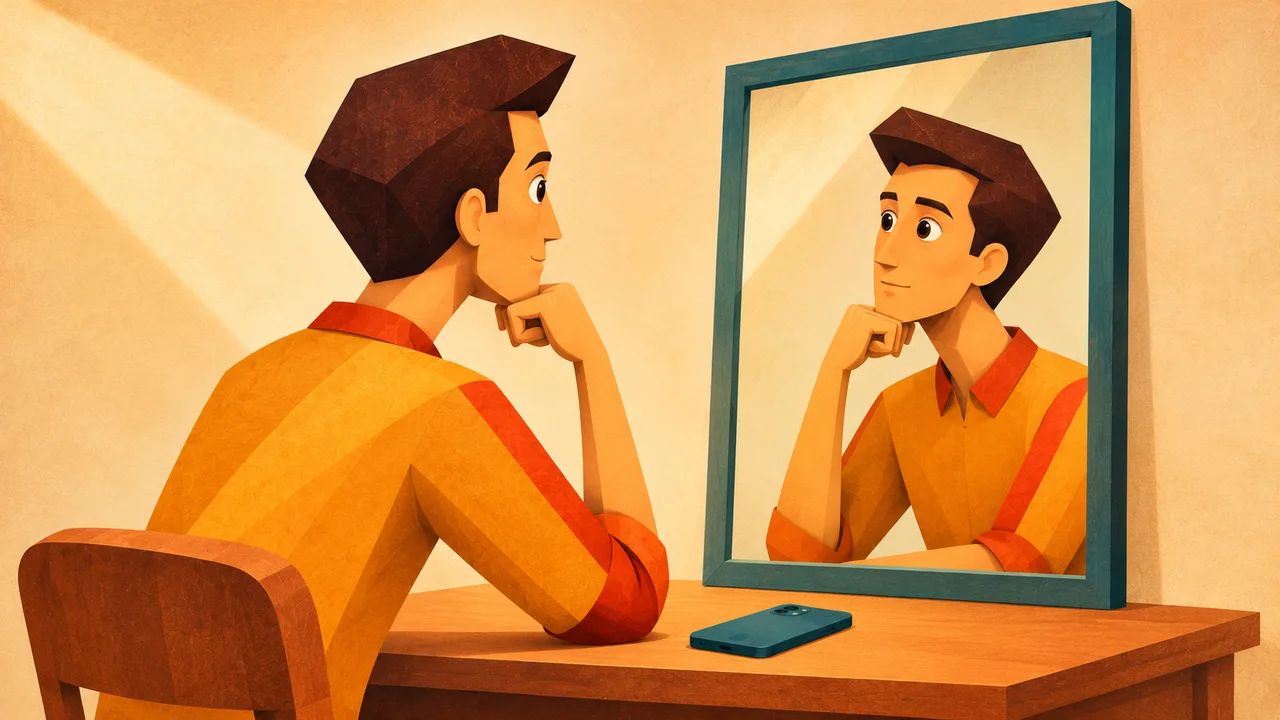
Most of us follow familiar patterns. We learn what we are taught, accept what is considered normal and pursue what others value. We may become educated, successful and technologically capable without fully understanding ourselves or questioning our choices.
At some point, a question may arise: Am I becoming the person I am capable of becoming?
That question can begin a journey of self-realisation.
The power of conditioning
From childhood, our thinking and behaviour are shaped by family, education, culture, society and personal experiences. Conditioning helps us learn and adapt, but it can also limit us when we accept beliefs, habits and expectations without questioning them.
Consider the story of a lion cub raised among goats. Having grown up with them, it believed it was one of them. Only when it encountered another lion and saw its reflection did it begin to recognise its true identity.
Similarly, we may accept limitations without challenging them, follow traditions without understanding them or pursue goals defined by others.
What if our greatest limitations are not what we lack, but what we have been conditioned to believe?
Conscious living begins when we recognise these influences and make choices guided by understanding rather than habit.

The choices we rarely question
Everyday life presents situations where we know what may be right or harmful, yet continue acting differently.
Why do we continue using unnecessary single-use plastics despite knowing the harm they can cause?
Why do we repeatedly choose unhealthy food and habits despite understanding their possible long-term consequences?
Why do we remain in comfortable routines, avoid physical activity or postpone meaningful goals even when we recognise the need for change?
Why do some managers intimidate, humiliate or overwork employees instead of leading with dignity, empathy and respect?
Why do we allow anger, ego or pride to hurt the people we care about?
Why do we remain indifferent to problems around us, expecting someone else to act?
These are not simply problems of knowledge. They also involve conditioning, habits, emotions, circumstances and choices.
Knowing what is right is not enough. Realisation must influence how we live.
What triggers self-realisation?
Realisation may emerge gradually or through a defining moment. Discomfort can make us question our present way of living. Adversity can challenge our assumptions, while observation helps us recognise patterns in our behaviour.
Knowledge and inspiration can open our minds to new possibilities. Reflection and mindfulness help us examine our experiences, while empathy can awaken our responsibility towards others.
There is no single path to self-realisation. What matters is our willingness to recognise what these experiences reveal.
The trigger may come from outside. The realisation must happen within.
What holds us back?
Sometimes, we fail to recognise the need for change. At other times, we recognise it but remain unwilling to act.
Believing everything is predetermined can become an excuse for avoiding effort and personal responsibility.
Familiar routines can discourage us from learning, improving and stepping beyond what feels easy.
Accepting inherited beliefs, familiar habits and social expectations without questioning whether they are right or useful.
Avoiding change because of uncertainty, failure, rejection or loss.
Believing we already know enough and refusing to reconsider our assumptions.
Remaining constantly occupied without making time for deeper thinking.
Believing our efforts cannot make a meaningful difference.
Some believe that fate determines everything. If life is already written, why question, aspire or make an effort? Believing in fate need not prevent purposeful living. The problem begins when we surrender personal responsibility to it.
We cannot control every circumstance, but our choices, preparation, effort and responses can influence what happens next.
Accept what is beyond your control. Take responsibility for what you can change.
The role of mindfulness
Mindfulness is the practice of paying attention to the present moment, including our thoughts, emotions, actions and surroundings, without reacting automatically.
It is not limited to meditation or silence. We can practise mindfulness while eating, working, listening, making decisions or interacting with others. It helps us recognise habitual reactions and respond with greater understanding.
A mindful person learns to pause before reacting, listen before responding and consider consequences before acting.
Mindfulness strengthens awareness. Realisation deepens understanding. Conscious living turns both into action.

The power of meditation
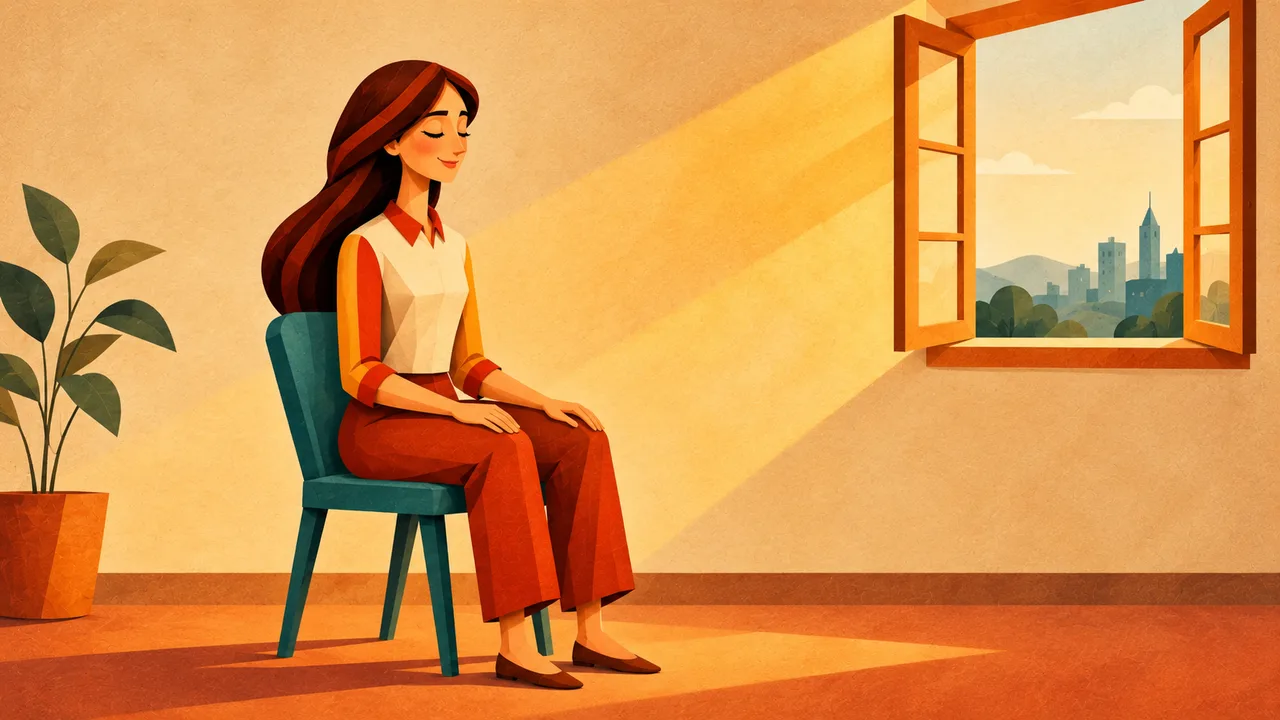
Sit comfortably for a few minutes and pay attention to your breathing. Soon you may find yourself planning the day, replaying a conversation or worrying about something that has yet to happen. When you notice this, gently bring your attention back to the next breath. Each return is part of the practice.
Over time, you may begin to recognise familiar patterns. Perhaps you often replay criticism or prepare a reply while someone is still speaking. The next time it happens in a conversation, you may catch yourself early enough to hear what the other person is trying to say.
A few quiet minutes can help you notice something about yourself that a busy day makes easy to miss.
The path to conscious living
Conscious living does not require withdrawing from the world. It begins with how we think, choose and act every day.
Create space away from constant activity and distraction.
Notice your thoughts, emotions, habits and behaviour.
Challenge assumptions, beliefs and familiar choices.
Learn from your experiences through introspection, mindfulness or meditation.
Recognise what matters, what needs to change and the responsibility you must accept.
Make conscious choices. Practise, learn and improve.
Awareness opens the mind. Realisation changes our perspective. Action changes our lives.
Consciousness, conscience and dignity
Conscious living involves three connected dimensions.
Becoming aware of our thoughts, emotions, behaviour and surroundings.
Recognising our moral responsibilities and considering what is right, fair and humane.
Recognising the inherent worth of every human being and treating people with respect, regardless of status, background or position.
These dimensions become meaningful through our actions. A leader who treats employees as human beings rather than instruments of productivity demonstrates dignity. A person who respects those with less power demonstrates humanity. A society that protects the vulnerable upholds human worth.
Consciousness helps us see. Conscience helps us choose. Dignity shapes how we treat others.
Conscious living in the age of AI
Artificial Intelligence can help us learn, work and solve problems more efficiently. But technological capability does not automatically make us wiser, more responsible or more humane.
We must consciously develop our ability to think independently, question information, understand consequences and act with dignity. AI should strengthen human capabilities rather than weaken our ability to think and act for ourselves.
AI can accelerate what we do. Conscious living shapes who we become.
From self-realisation to usefulness
Conscious living is not merely about finding inner peace or improving ourselves. It is also about becoming more useful to others.
We can make healthier choices, reduce unnecessary waste, strengthen relationships, lead with dignity and contribute to our communities. As we become more conscious, we begin looking beyond personal interests and recognising how our choices affect others.
We begin asking not only What is good for me? but also How can my actions benefit others?
A wiser humanity begins with individuals willing to become wiser and more useful.
Explore the Circle of UsefulnessAn invitation to realise
Take a quiet moment and ask yourself:
You may not find every answer immediately. What matters is beginning to question, understand and act. Self-realisation is not a destination. It is an ongoing journey of awareness, learning and conscious action.
Perfection is not the destination. Evolution is.
The Next Humanity begins within.